






AFP / Getty Images
An Unsung Iran Peace Initiative Grapples with Failure
For 20 years, Mennonites fostered dialogue between North America and the Islamic republic. Their conversations couldn’t stop the bombs.
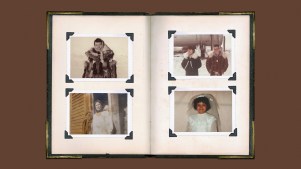
A New Approach to Native Missions Starts with the Past
A painful history with church-run schools has many Indigenous people wary of Christianity. Native ministries are working to share the real Jesus.
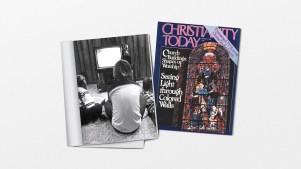
Changing Times and Technology
In 1981, CT helped evangelicals navigate debates over Ronald Reagan, genetic engineering, television, and male headship.

The Rise of the Religious Right
CT called for caution as evangelicals flocked to vote for Ronald Reagan.

What $18 Would Get You
In 1979, CT investigated deceptive Christians, made the case for psychology, and watched Islam with concern.
Today in Christian History
April 19
April 19, 526: Justinian I is crowned Roman Emperor in Constantinople’s magnificent cathedral, the Santa Sophia. Attempting to restore political and religious unity in the eastern and western empires, he ruthlessly attacked pagans and heretics and created the Code of Justinian, a massive restructuring of law (including much regarding the relationship of church and state) that would be the basis of legislation for nearly a millennium.
April 19, 1054: Pope Leo IX dies. Because Leo refused the title of Ecumenical Patriarch to Michael Cerularius (Patriarch of Constantinople) and demanded recognition of the filioque clause (the western addition to the Nicene creed that asserts “the Holy Ghost . . . proceeds from the Father and the Son), he is usually assigned responsibility for the final break between Eastern and Western Christianity, though the conventional date for the schism is July 16 (see issue 54: Eastern Orthodoxy).
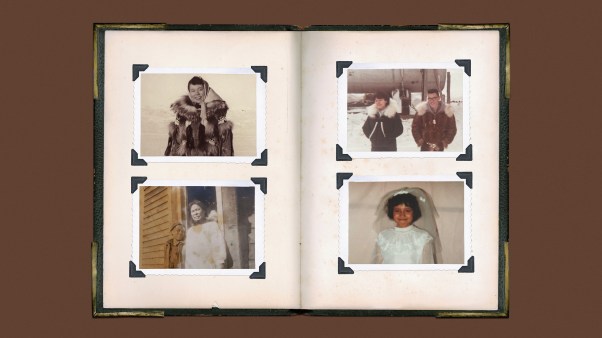
A New Approach to Native Missions Starts with the Past
A painful history with church-run schools has many Indigenous people wary of Christianity. Native ministries are working to share the real Jesus.
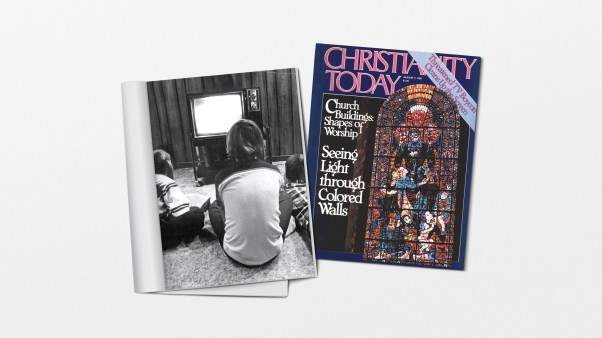
Changing Times and Technology
In 1981, CT helped evangelicals navigate debates over Ronald Reagan, genetic engineering, television, and male headship.

The Rise of the Religious Right
CT called for caution as evangelicals flocked to vote for Ronald Reagan.

What $18 Would Get You
In 1979, CT investigated deceptive Christians, made the case for psychology, and watched Islam with concern.
People in Christian History

Dorothy Sayers
Mystery writer and apologist

Augustine of Hippo
Architect of the Middle Ages

C.S. Lewis
Scholar, author, and apologist

Dietrich Bonhoeffer
German theologian and resister

Athanasius
Five-time exile for fighting “orthodoxy”

Harriet Tubman
The “Moses” of Her People

Catherine Booth
Compelling preacher and co-founder of the Salvation Army

William Wilberforce
Antislavery politician

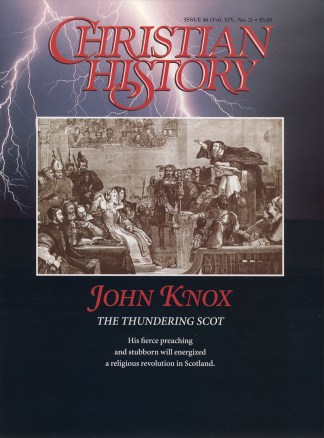
John Knox
Presbyterian with a sword

Dwight L. Moody
Revivalist with a common touch
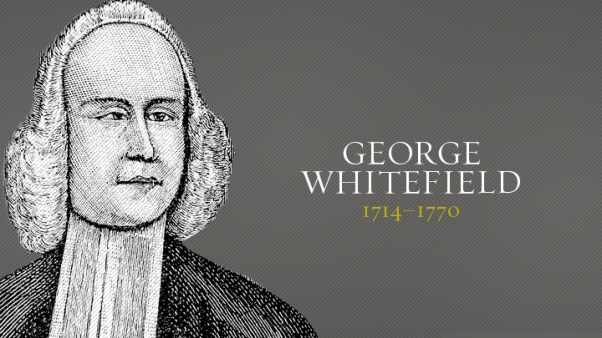
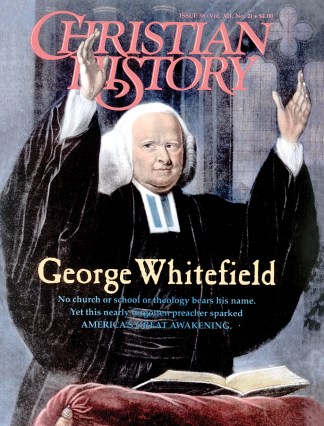
George Whitefield
Sensational Evangelist of Britain and America
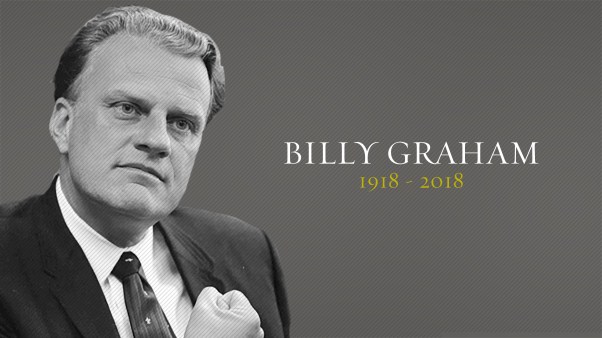
Billy Graham
Evangelist to millions

Thomas à Kempis
Author of the most popular devotional classic

Perpetua
High society believer

Justin Martyr
Defender of the “true philosophy”

John of the Cross
Spanish mystic of the soul’s dark night

Teresa of Avila
Carmelite mystic and feisty administrator

Oswald Chambers
Preacher who gave his utmost

Joan of Arc
Teenage war hero with visions

Søren Kierkegaard
Christian existentialist

A Sign, Not a Weathervane
CT sought to point people to the Bible through the personal and public crises of 1978.
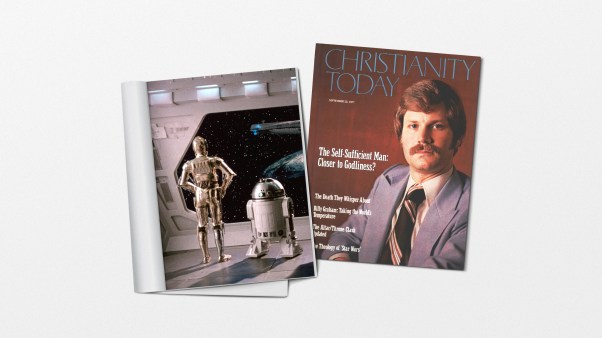
From a Galaxy Far, Far Away to Carol Stream, Illinois
CT tracked cultural changes while going through several of its own.

The Year of the Evangelical
America prepared for a bicentennial, and religious identity dominated the presidential campaign.
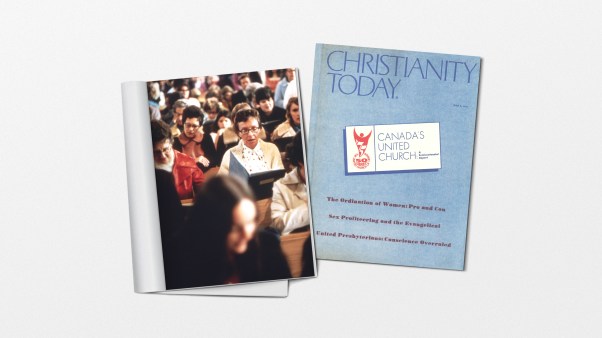
Considering Both Sides of Church Divisions
CT hosted debates about the charismatic movement and women’s ordination.
Trending in History
-
Trump Becomes the First President Since Eisenhower to Change Faiths in Office
-
A New Approach to Native Missions Starts with the Past
-
Changing Times and Technology
-
The Rise of the Religious Right
-
April 16
-
Was Jesus Crucified with Nails?
Trending topics

Confronting Evils
In 1974, CT saw trouble in the White House, Chile, and Cyprus, and in the American fascination with exorcists.
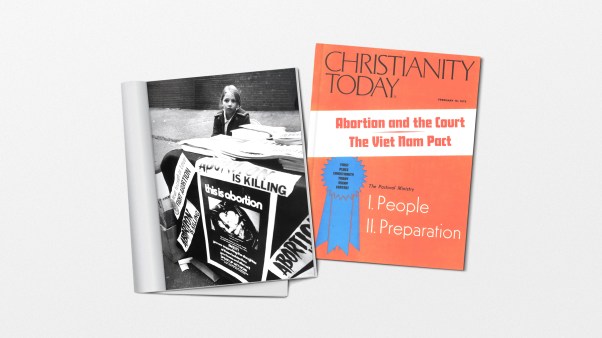
Troubling Moral Issues in 1973
CT condemned the Supreme Court ruling in Roe v. Wade and questioned the seriousness of Watergate.

Was Abraham Lincoln a Christian?
In his younger years, Lincoln was a skeptic. But as he aged, he turned toward biblical wisdom—and not only when in the public eye.
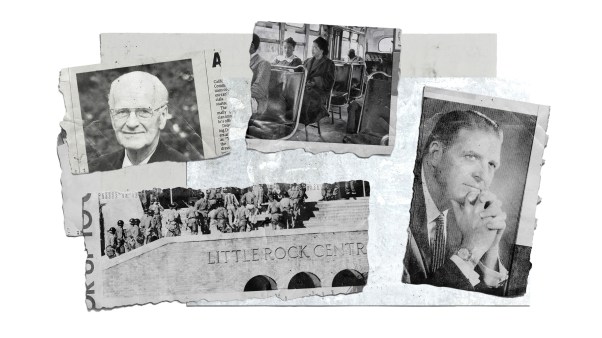
How CT Editors Carl Henry and Nelson Bell Covered Civil Rights
Trying to stake out a sliver of space for the “moderate evangelical,” the magazine sometimes left readers confused and justice ignored.
Christian History Issues
View all












































CT Reports from Nixon’s Trip to Communist China
In 1972, American evangelicals were concerned about religious liberty around the world and moral decline at home.

Looking Past Bell Bottoms, Beads, Coffeehouses, and Communes
In 1971, CT said the Jesus People were not just another baby boomer fad.
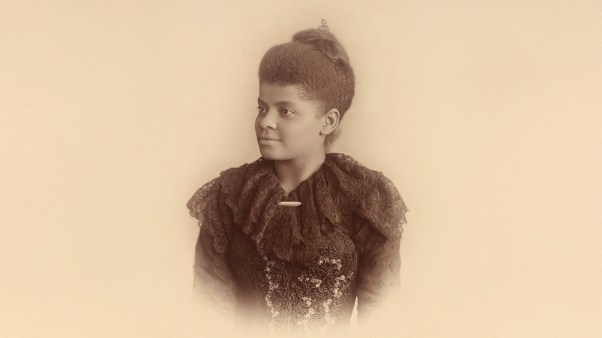
Tearing Apart ‘The Old Thread-bare Lie’
Black journalist Ida B. Wells exposed Southern lynching.
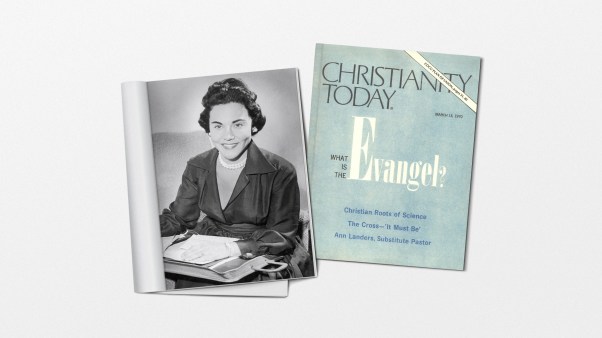
What CT Asked Advice Columnist Ann Landers
As America teetered on the edge of revolution, the magazine called for more innovation, responsibility, sensitivity, and stewardship.

Disillusioned at the Dawning of the Age of Aquarius
CT helped readers make sense of wild cultural changes in 1969.
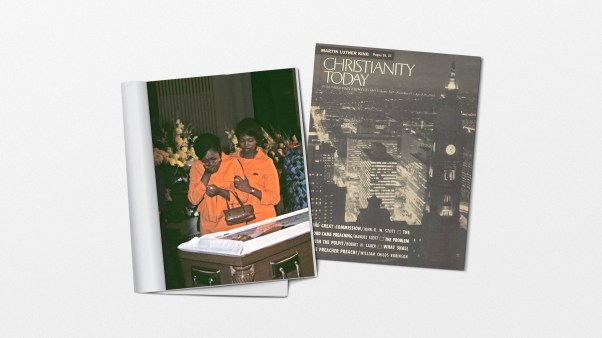
Through a Storm of Violence
In 1968, CT grappled with the Vietnam War and the assassinations of Martin Luther King Jr. and Robert F. Kennedy.
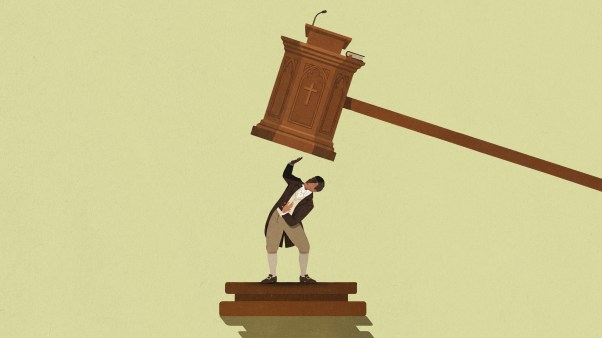
Once Lost, Then Found, Then Judged
History is full of Christians trying to figure out if other Christians really experienced the saving work they say they did.

When the Times Were ‘A-Changin’’
CT reported on 1967 “message music,” the radicalism on American college campuses, and how the Six-Day War fit into biblical prophecy.